 Loading... Please wait...
Smart Packaging Market & Trends: The Future of Smart Packaging Technology
Posted on 25th Mar 2026
Packaging is no longer just about containment and protection. Across industries, it has evolved into a strategic asset that connects brands with consumers, supports compliance, and generates real-time data across the supply chain.
Smart packaging sits at the center of this transformation. By combining advanced materials, digital connectivity, sensors, and automation, manufacturers can extend shelf life, improve traceability, enhance consumer engagement, make data-driven decisions, and streamline production.
For liquid product manufacturers in particular, the shift toward intelligent packaging introduces both opportunity and complexity. The companies that prepare now will be better positioned to adapt as regulations tighten, sustainability goals accelerate, and digital integration becomes standard rather than optional.
The Evolution of Smart Packaging Technology
Smart packaging did not appear overnight. It developed in response to rising safety standards, globalized supply chains, and consumers who expect more transparency from the products they buy. What began as simple preservation tools has evolved into connected systems capable of generating data, supporting compliance, and enhancing brand engagement.
From Passive to Intelligent
Traditional packaging was passive. For decades, its primary purpose was to contain the product, protect it from damage, and present branding. It acted as a barrier between the product and the outside world. While effective, it offered no visibility into product condition, no traceability, and no interactive capabilities.
Over time, however, market demands pushed packaging to do more. This demand sparked the rise of smart packaging.
Smart packaging introduced functionality beyond containment. Instead of acting as a static shell, packaging began contributing to product protection, monitoring, and communication.
First Generation: Active Packaging
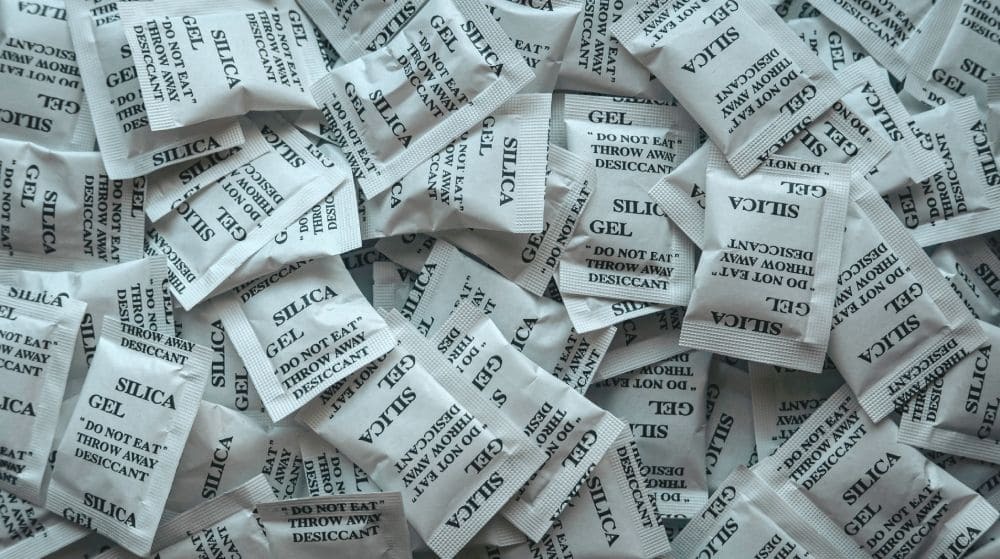
Active packaging represents the first meaningful shift toward smarter functionality. These solutions interact directly with the product or its surrounding environment to extend stability and preserve quality.
Common examples include oxygen scavengers that remove excess oxygen from sealed containers, moisture absorbers that control humidity levels, and antimicrobial materials that reduce the risk of contamination. In food and pharmaceutical applications, these technologies help slow spoilage and maintain product integrity during storage and transport.
Although active packaging does not collect or transmit data, it plays a proactive role in protecting sensitive liquid formulations.
Second Generation: Intelligent Packaging
The next phase introduced intelligence. Time-temperature indicators, freshness sensors, tamper-evident systems, and condition-monitoring labels began appearing in the market. These solutions allowed manufacturers, distributors, and even consumers to verify product integrity.
Intelligent packaging reduced waste, improved compliance, and strengthened trust.
Third Generation: Connected & Data-Driven Packaging
Today, smart packaging integrates with digital ecosystems:
- Quick response (QR) codes and near-field communication (NFC) chips link physical products to online platforms.
- Augmented reality experiences transform packaging into an interactive marketing tool.
- Internet of Things (IoT)-enabled sensors transmit temperature or location data in real time.
- Blockchain platforms support traceability from production to purchase.
As a result, smart packaging has become a data touchpoint.
Smart Packaging Market Size & Growth Outlook
The rapid innovation in the smart packaging technology space is reflected in strong market growth.
A 2026 study by Fortune Business Insights has revealed that the global smart packaging market was valued at approximately $26.06 billion in 2025 and is projected to grow to around $27.55 billion in 2026, reaching roughly $42.40 billion by 2034 and representing a compound annual growth rate (CAGR) of about 5.54% from 2026 through 2034. In the U.S. alone, the market is expected to climb to an estimated $10.70 billion by 2032, fueled by advancements in IoT technologies and rising demand across food and pharmaceutical sectors.
Several forces are driving this expansion:
- Increasing regulatory scrutiny in food safety and pharmaceutical manufacturing
- Growth in e-commerce and the need for real-time shipment visibility
- Rising consumer demand for transparency and product authentication
- Sustainability mandates and environmental, social, and governance (ESG) initiatives
- Adoption of Industry 4.0 and connected manufacturing environments
For liquid packaging operations, this growth signals a clear message: flexibility, automation, and digital integration will define competitive advantage.
Key Smart Packaging Trends to Watch
Smart packaging is advancing on multiple fronts at once. Some innovations focus on consumer engagement, others strengthen compliance and supply chain visibility, while many aim to reduce environmental impact. Together, these trends are reshaping how liquid products are filled, labeled, distributed, and experienced.
1. Interactive & Digital Integration
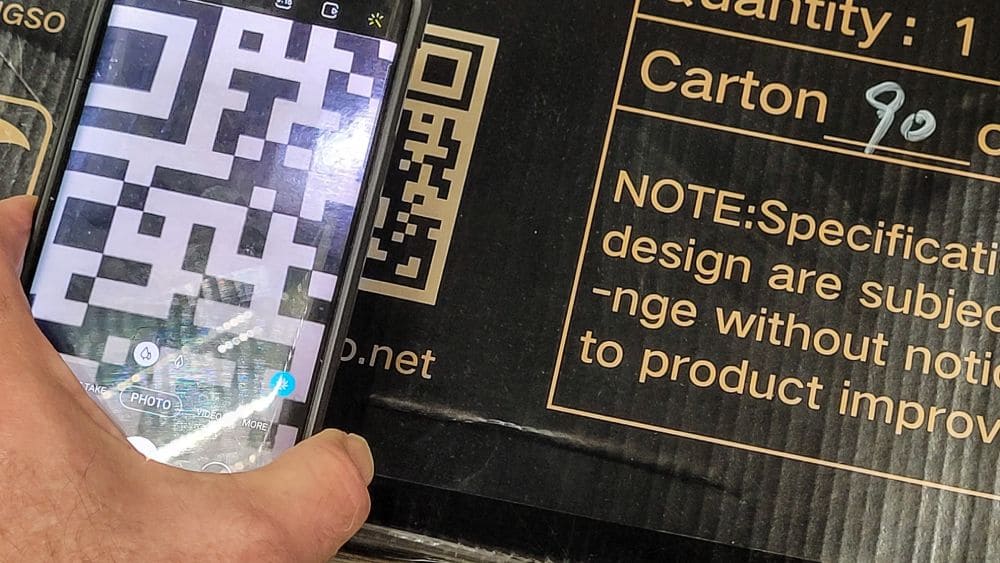
Connected packaging is becoming mainstream. QR codes now do far more than redirect users to websites. They also provide batch information, ingredient sourcing details, usage instructions, and brand storytelling. Similarly, NFC technology enables tap-based authentication, loyalty programs, and anti-counterfeit verification, and augmented reality experiences turn bottles and containers into immersive marketing tools.
These features strengthen brand engagement while supporting traceability.
2. Active & Intelligent Monitoring Technologies
Freshness indicators and condition sensors are increasingly common in temperature-sensitive liquid products. Pharmaceutical syrups, nutraceutical beverages, and specialty chemicals benefit from monitoring that tracks exposure to heat or contamination risks.
Smart logistics platforms integrate packaging data into supply chain dashboards. Real-time tracking supports faster recalls, improved compliance documentation, and better inventory planning.
Shelf-life validation tools are also advancing, allowing manufacturers to confirm stability under various environmental conditions.
3. Sustainability-Driven Innovation
Manufacturers are investing in recyclable, biodegradable, and lightweight materials. Reduced resin usage and minimalist packaging structures help lower environmental impact while cutting shipping costs.
The challenge lies in integrating smart technologies without compromising recyclability. Innovations in printed electronics and embedded sensors are evolving to meet this need.
4. Consumer Experience & Personalization
Personalization is moving beyond printed names on bottles. Hyper-personalized campaigns use dynamic QR codes to deliver region-specific or behavior-based content. Limited-run designs and so-called chaos packaging strategies create collectible experiences.
Functionality is also improving. Resealable closures, dosing accuracy, and ergonomic designs enhance usability while supporting premium positioning.
5. Automation & Artificial Intelligence (AI)
Smart packaging can’t scale without smart production.
AI-powered systems optimize filling accuracy, monitor performance trends, and predict maintenance needs, and machine vision technologies inspect caps, labels, fill levels, and seals with high precision. Additionally, automated workflows reduce manual intervention and improve consistency.
Advanced quality control methods now incorporate data analytics to detect subtle deviations before they become costly defects.
6. IoT Connectivity & Blockchain
IoT-connected packaging systems allow manufacturers to track conditions across global supply chains. Temperature, humidity, and location data feed into centralized dashboards.
Blockchain platforms create tamper-resistant digital records for product authentication and regulatory documentation. For industries vulnerable to counterfeiting or strict compliance standards, this layer of transparency adds measurable value.
What Is the Future of Smart Packaging Technology?
Smart packaging is moving toward deeper integration, greater intelligence, and stronger alignment with digital manufacturing ecosystems. Rather than adding isolated features, future innovation will center on connected systems that link production, logistics, compliance, and consumer engagement into a unified framework.
For liquid manufacturers, this shift will influence equipment selection, plant design, and long-term automation strategies.
Fully Integrated Smart Production Lines
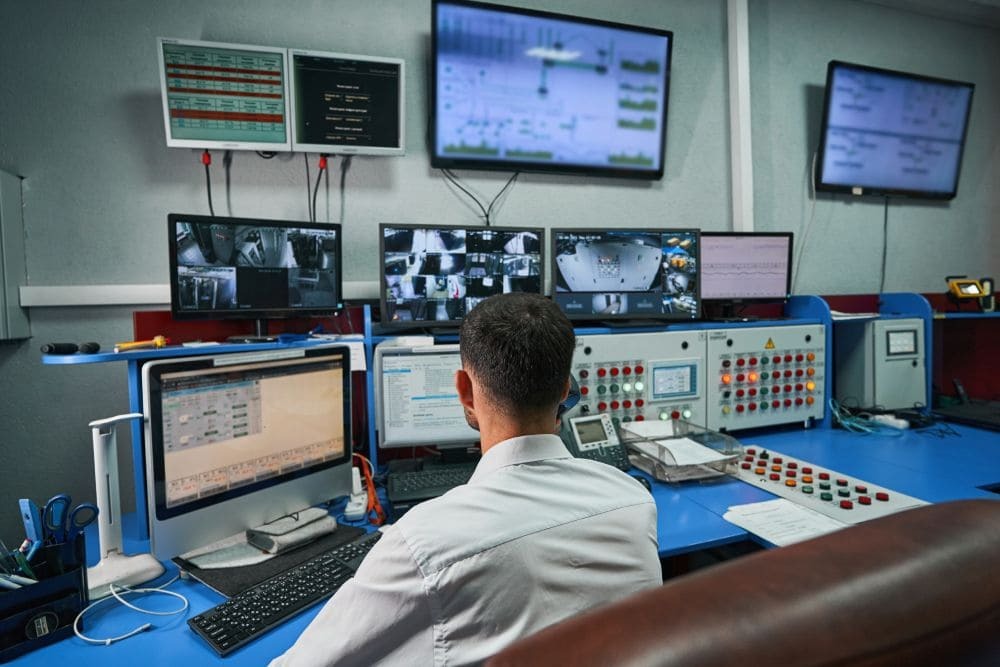
The future of smart packaging begins on the production floor. Filling, capping, labeling, coding, inspection, and data systems will increasingly operate as a single connected environment. Unified dashboards will provide real-time visibility into throughput, fill accuracy, reject rates, serialization data, and maintenance alerts. Instead of troubleshooting disconnected systems, operators will manage coordinated workflows supported by centralized analytics.
This level of integration improves operational efficiency while strengthening traceability.
Packaging as a Data Platform
Packaging will continue evolving into a data-generating asset. QR codes, NFC chips, and embedded sensors will capture insights about consumer interactions, product usage, and environmental conditions during transit.
Manufacturers will use this information to refine marketing strategies, improve demand forecasting, and strengthen quality control processes. Over time, packaging data may become as valuable as the product itself, shaping decisions across departments from operations to sales.
Heightened Regulatory & Traceability Requirements
As smart packaging capabilities expand, regulatory expectations are also likely to grow. Pharmaceutical and food manufacturers already operate under strict documentation and serialization standards, and these requirements are expected to become more sophisticated.
In the future, digital batch records, real-time condition monitoring, and secure product authentication systems will play a larger role in compliance strategies. Companies equipped with adaptable filling systems and integrated coding technologies will be positioned to respond efficiently to evolving mandates.
Sustainability Integrated with Intelligence
Smart functionality will need to complement sustainability goals rather than conflict with them. As a result, future smart packaging solutions will need to balance technological capability with environmental responsibility.
Brands are under increasing pressure to reduce material usage, incorporate recyclable components, and lower carbon footprints. Innovation will focus on lightweight designs, recyclable substrates compatible with digital identifiers, and energy-efficient production equipment.
Modular & Flexible Equipment Design
Packaging formats will continue to change as brands experiment with new shapes, closures, and interactive components, so equipment flexibility will become a strategic priority.
Modular filling systems that accommodate evolving container sizes, sensor-enabled caps, and advanced labeling technologies will support long-term scalability. Faster changeovers and upgrade-ready designs will allow manufacturers to adapt without replacing entire production lines.
Smart Packaging Technology FAQs
What Is Smart Packaging Technology?
Smart packaging technology refers to packaging systems that go beyond containment and labeling. It can include active components that preserve product quality, intelligent features that monitor condition, and connected elements such as QR codes, NFC chips, or IoT sensors that enable tracking, authentication, and consumer interaction.
How Is the Smart Packaging Market Growing?
The smart packaging market is expanding steadily due to rising demand for traceability, food safety compliance, anti-counterfeit measures, and connected consumer experiences. Global revenues are projected to surpass $42 billion by 2034, driven by IoT adoption, sustainability initiatives, and automation across manufacturing industries.
What Industries Benefit Most from Smart Packaging?
Food and beverage, pharmaceuticals, nutraceuticals, chemicals, and personal care manufacturers are among the primary adopters. These industries rely on accurate filling, product stability, regulatory documentation, and supply chain visibility, all of which are supported by smart packaging technologies.
What Are the Most Important Smart Packaging Trends Right Now?
Key smart packaging trends include connected packaging with QR and NFC integration, real-time condition monitoring, AI-powered production optimization, blockchain-enabled traceability, and sustainability-focused material innovation. Many manufacturers are also investing in automation to support sensor-enabled containers and serialized labeling.
How Does Smart Packaging Improve Supply Chain Visibility?
Smart packaging can incorporate sensors and digital identifiers that track temperature, humidity, and location throughout distribution. This data feeds into centralized systems, allowing manufacturers to detect issues early, manage recalls more efficiently, and maintain better inventory control.
Is Smart Packaging Compatible with Sustainable Materials?
Yes, although integration requires careful design. Many companies are developing recyclable and lightweight materials that work alongside digital identifiers or embedded electronics. The goal is to combine intelligent functionality with reduced environmental impact.
What Role Does Liquid Filling Equipment Play in Smart Packaging?
Liquid filling equipment must support precision dosing, accurate labeling, serialization, and compatibility with advanced closures or digital components. As smart packaging technology evolves, production lines need flexible, upgrade-ready systems that integrate seamlessly with coding, inspection, and data management tools.
Embrace the Future of Liquid Packaging Technology with E-PAK Machinery
The smart packaging market is expanding steadily. That growth is driven by connectivity, sustainability pressures, regulatory demands, and consumer expectations for transparency.
E-PAK Machinery helps manufacturers modernize their liquid filling operations with flexible, scalable systems designed to integrate with advanced labeling, coding, and automation technologies. Whether upgrading an existing line or building a new smart-ready facility, we can position your operation for long-term success in an increasingly intelligent packaging landscape.
To explore how your production line can evolve with the future of smart liquid packaging technology, contact us today.
Recent Posts
- What Is Smart Packaging? A Complete Guide for Manufacturers
- Smart Packaging Market & Trends: The Future of Smart Packaging Technology
- Food Packaging Machine Price Guide: How Much Does a Food Packaging Machine Cost?
- What Are the Different Types of Food Packaging Machines?
- Food & Beverage Filling, Capping, & Packaging Machine Market Growth
