 Loading... Please wait...
What Is Smart Packaging? A Complete Guide for Manufacturers
Posted on 25th Mar 2026
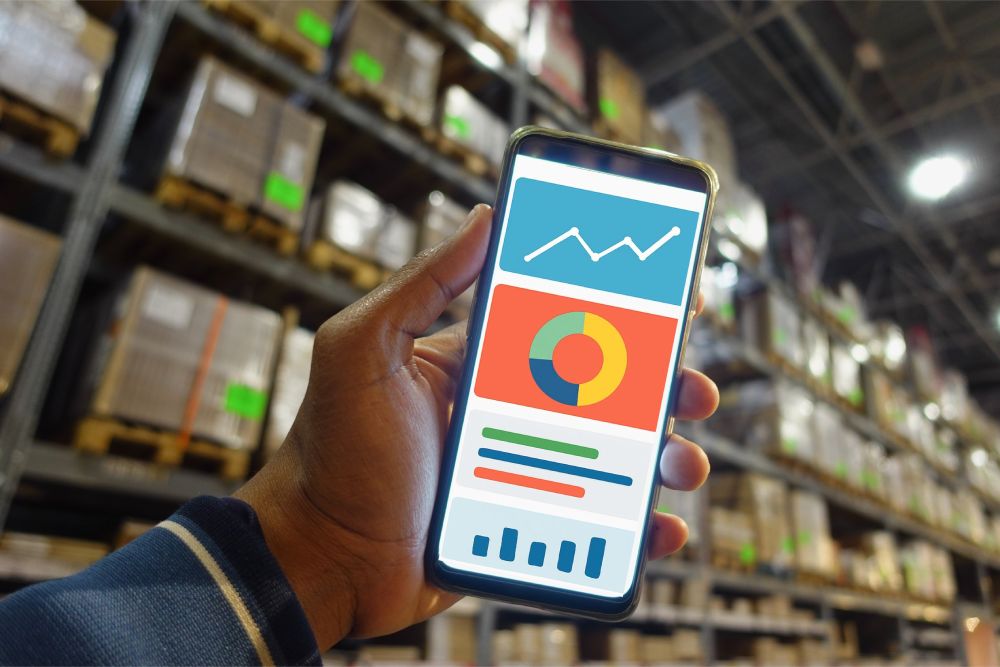
Packaging used to have a simple job: contain the product, protect it from damage, and display a label. Today, that role has expanded dramatically. Manufacturers now rely on packaging to monitor freshness, verify authenticity, track products across global supply chains, and even communicate directly with customers. From beverages and sauces to chemicals, pharmaceuticals, and personal care products, smart packaging is changing how liquid products are protected, distributed, and experienced.
Understanding how smart packaging works—and how to integrate it into production lines—is becoming increasingly important for manufacturers that want to stay competitive.
What Is Smart Packaging?
Smart packaging refers to packaging systems that go beyond containment. These systems can sense, monitor, protect, track, or interact with the product and its environment.
Unlike traditional packaging, which remains static once sealed, smart packaging introduces functionality. It may absorb oxygen to extend shelf life, monitor temperature changes during transport, transmit tracking data through radio frequency identification (RFID) tags, or connect consumers to digital content through quick response (QR) or near-field communication (NFC) technology.
When done right, smart packaging is designed to preserve product quality, monitor product condition, improve traceability, protect against tampering and counterfeiting, and enable direct communication between brands and consumers. And for manufacturers of liquid products in industries such as food and beverage, pharmaceuticals, chemicals, and cosmetics, these capabilities offer significant operational and strategic advantages.
Types of Smart Packaging
Smart packaging is not a single technology but a broad category that includes multiple approaches, materials, and digital integrations. Each type addresses a different challenge, whether that challenge involves preserving product integrity, monitoring environmental conditions, preventing counterfeiting, or creating digital touchpoints with customers.
Active Packaging
Active packaging interacts with the product or its surrounding environment to maintain quality and extend shelf life. Examples include oxygen scavengers that reduce oxidation, moisture absorbers that control humidity, antimicrobial layers that inhibit bacterial growth, and temperature-regulating components that protect heat-sensitive liquids.
In liquid food and beverage applications, active packaging can help maintain flavor stability and reduce spoilage. In chemical and pharmaceutical sectors, it supports product integrity under varying environmental conditions.
Intelligent Packaging
Intelligent packaging monitors the condition of the product and communicates information about its status. They may involve time-temperature indicators that show whether a product has been exposed to unsafe conditions, freshness sensors that react to gas emissions, or condition-monitoring labels that signal contamination risks.
These technologies provide visibility into product quality throughout the supply chain. Instead of relying solely on expiration dates, manufacturers and distributors can evaluate real-time product conditions.
Connected or Interactive Packaging
Connected packaging bridges the physical and digital worlds.
Using QR codes, NFC tags, RFID labels, or augmented reality integrations, manufacturers can create interactive experiences for customers. A simple scan may reveal sourcing details, usage instructions, promotional content, or authentication data.
For liquid product brands, connected packaging can drive loyalty programs, simplify reordering, provide refill reminders, or offer educational resources directly through a smartphone.
Security Packaging
Security-focused smart packaging protects products from tampering and counterfeiting.
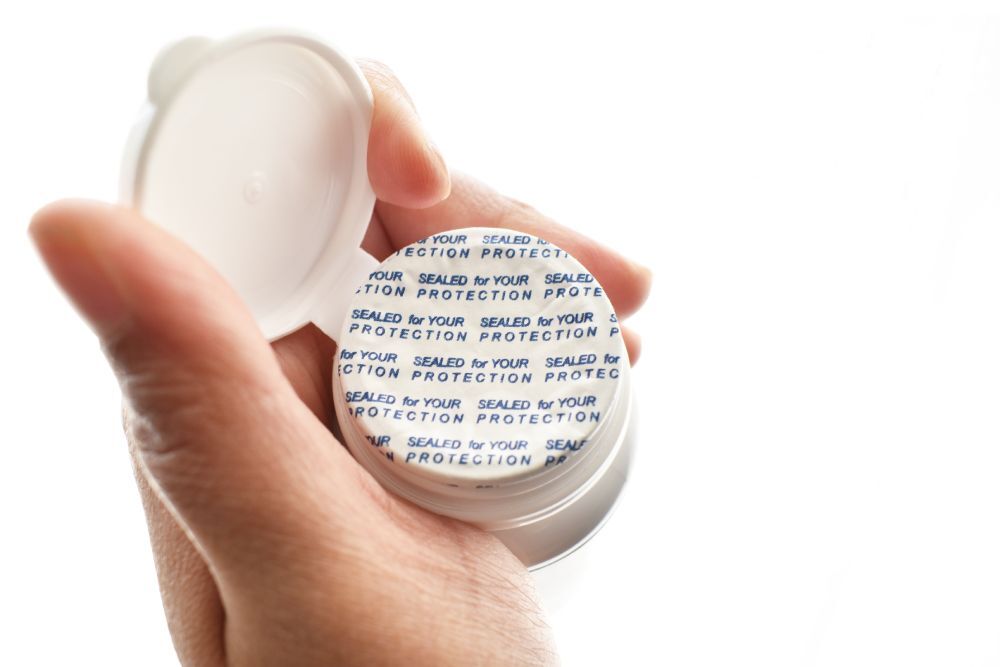
Tamper-evident seals, serialized barcodes, track-and-trace systems, and anti-counterfeit technologies add layers of protection that are particularly important in pharmaceuticals, chemicals, nutraceuticals, and high-value consumer goods. By incorporating these traceability and authentication features into packaging, manufacturers reduce risk and build customer trust.
How Smart Packaging Works
Smart packaging operates at the intersection of materials, embedded technology, and production line integration. While the concept may sound complex, the process can be understood by breaking it into several core components: sensing and response, data capture and transmission, system integration, and production execution. Each layer plays a role in transforming standard packaging into a functional, data-driven asset.
Sensing & Responsive Materials
At the foundation of many smart packaging solutions are materials engineered to react to environmental changes. These may include oxygen scavengers that absorb residual air inside a container, antimicrobial layers that inhibit bacterial growth, or temperature-sensitive inks that visually change when exposed to unsafe conditions. In more advanced applications, embedded sensors monitor factors such as temperature, humidity, gas composition, or physical impact. These sensors either trigger a visible indicator or collect measurable data that reflects product condition.
For liquid products that are sensitive to contamination, oxidation, or temperature fluctuation, this responsive layer adds a new level of protection beyond traditional barriers.
Data Identification & Transmission
Once information is captured, it must be stored or transmitted. It’s at this stage where technologies such as RFID tags, NFC chips, QR codes, and serialized barcodes come into play.
RFID and NFC tags can store unique identifiers and transmit data wirelessly to scanners, warehouse systems, or mobile devices. Serialized codes assign each unit a traceable identity, making it possible to follow a product from production through distribution and retail.
When connected to inventory management systems or enterprise software, these identifiers create a digital thread that links the physical product to real-time data.
Software & System Integration
Smart packaging generates value when the collected data flows into usable systems. Information captured from sensors or scanning points feeds into warehouse management platforms, logistics dashboards, regulatory tracking databases, or customer engagement tools.
This integration allows manufacturers to monitor shipments, identify supply chain disruptions, analyze storage conditions, and even evaluate customer interaction patterns. Instead of isolated data points, manufacturers gain a continuous stream of actionable insights that support planning, forecasting, and compliance efforts.
Production Line Compatibility
Even the most advanced smart packaging components rely on precise and consistent production processes. Labeling machinery must place RFID or NFC-enabled labels with exact alignment, and coding and serialization systems must apply scannable identifiers at high speeds without interrupting throughput.
Variations in placement, fill level, or seal quality can interfere with sensor accuracy or tag readability. For that reason, smart packaging implementation begins with dependable liquid filling, capping, labeling, and automation systems that support advanced materials and digital components while maintaining production efficiency.

6 Benefits of Smart Packaging
Smart packaging introduces measurable operational improvements, reduces risk, strengthens compliance efforts, and opens new channels for customer interaction. When implemented effectively, it becomes a strategic asset that touches nearly every stage of the product lifecycle, from production and warehousing to retail shelves and post-purchase engagement.
For manufacturers of liquid products, where contamination, temperature variation, counterfeiting, and handling errors can carry serious consequences, these advantages are especially significant.
1. Improved Product Safety & Quality
Sensors, indicators, and responsive materials provide visibility into conditions that were previously difficult to monitor once a product left the facility. For example, time-temperature indicators can highlight cold chain failures, gas sensors may reveal spoilage in food and beverage products, and tamper-evident components signal potential contamination before a product reaches the end user.
This visibility allows manufacturers to identify problems earlier, isolate affected batches more precisely, and reduce the scope of recalls. Instead of relying solely on fixed expiration dates, companies can make informed decisions based on actual product conditions.
The result is stronger quality control, lower liability exposure, and greater confidence in every unit shipped.
2. Enhanced Supply Chain Efficiency
Modern supply chains involve multiple handoffs, storage environments, and transportation stages. Smart packaging technologies such as RFID tags and serialized tracking codes create real-time visibility across this entire journey. Warehouse teams can scan pallets instantly rather than manually counting units, and then distributors can confirm shipment locations with greater accuracy. As a result, inventory discrepancies are identified faster.
This level of transparency reduces shrinkage, shortens reconciliation time, and supports more agile logistics planning. Over time, these efficiencies translate into lower operational costs and improved delivery performance.
3. Consumer Engagement & Brand Transparency
Today’s customers expect more information about the products they buy. Connected packaging provides a direct bridge between the brand and the consumer.
With a simple scan, buyers can access sourcing details, ingredient information, sustainability data, usage instructions, or promotional content. Brands can also use interactive packaging to support loyalty programs, offer refill reminders, or gather feedback. This interaction transforms packaging into a communication channel rather than just a container. As transparency increases, so does customer trust and long-term brand loyalty.
4. Predictive Planning & Data-Driven Decisions
The data collected through smart packaging systems track products and reveals patterns. Manufacturers can analyze temperature deviations across routes, identify bottlenecks in distribution centers, or evaluate how quickly products move through different regions. These insights support better demand forecasting, improved production scheduling, and more precise inventory planning.
When packaging becomes a source of data, companies gain the ability to anticipate issues instead of reacting to them after the fact. That shift toward predictive decision-making strengthens both operational resilience and profitability.
5. Sustainability & Waste Reduction
Smart packaging contributes to sustainability efforts in several ways. For example:
- Freshness monitoring reduces premature disposal of safe products.
- Improved inventory accuracy minimizes overproduction.
- Traceability supports responsible sourcing claims and simplifies compliance reporting.
- Extended shelf life can significantly lower waste across the supply chain.
- Better tracking reduces misplaced containers and unnecessary material loss.
These improvements align environmental responsibility with operational efficiency.
6. Quality Control & Loss Prevention
Counterfeiting, diversion, and tampering create serious financial and reputational risks. Security-focused smart packaging adds layers of protection through serialization, authentication features, and track-and-trace capabilities.
Manufacturers can verify product authenticity at multiple checkpoints, retailers can confirm legitimacy before stocking shelves, and consumers can validate purchases instantly through connected technologies. For regulated industries and high-value liquid products, this protection strengthens compliance, safeguards revenue, and preserves brand integrity.
Smart Packaging Applications & Examples
Smart packaging technologies are already in use across industries that rely on liquid products, regulatory compliance, and controlled distribution environments. While the specific tools may vary by sector, the goals remain consistent: to improve safety, increase visibility, reduce risk, and create stronger connections with end users.
This table highlights how different industries apply smart packaging and the types of technologies most commonly used.
|
Industry |
Common Smart Packaging Technologies |
Primary Objectives |
Real-World Impact |
|
Freshness indicators, time-temperature labels, RFID tracking, oxygen scavengers |
Protect cold chain integrity, extend shelf life, monitor spoilage |
Reduced waste, improved quality control, greater visibility during distribution |
|
|
Serialized barcodes, anti-counterfeit labels, tamper-evident seals, smart caps |
Prevent counterfeiting, support regulatory compliance, monitor patient usage |
Stronger traceability, improved patient safety, simplified recall management |
|
|
Hazard communication labels, RFID tags, leak detection indicators, bulk container tracking |
Improve workplace safety, track inventory, prevent loss |
Better accountability, safer handling procedures, more accurate inventory management |
|
|
QR codes, NFC tags, authentication features, refill reminders |
Verify authenticity, increase brand transparency, enhance customer interaction |
Higher consumer trust, stronger engagement, direct digital communication channels |
Across each of these sectors, smart packaging transforms containers into active participants in safety management, logistics planning, and customer experience. When paired with precision liquid filling, capping, and labeling systems, these technologies become scalable solutions that support both operational performance and long-term growth.
FAQs About Smart Packaging
What Is Smart Packaging in Simple Terms?
Smart packaging refers to packaging that does more than hold and protect a product. It can also monitor freshness, track location, detect tampering, or connect consumers to digital information. By combining materials, sensors, and data technology, smart packaging adds functionality that improves safety, visibility, and engagement.
How Does Smart Packaging Improve Product Safety?
Smart packaging can include temperature indicators, freshness sensors, tamper-evident features, or antimicrobial materials. These technologies help detect spoilage, improper storage, or contamination before products reach customers. For manufacturers, this added visibility strengthens quality control and reduces recall risk.
What Industries Use Smart Packaging the Most?
Smart packaging is widely used in food and beverage, pharmaceuticals, nutraceuticals, chemicals, and personal care. However, any industry that relies on liquid products, cold chain logistics, regulatory compliance, or brand protection can benefit from smart packaging applications.
What Are the Main Types of Smart Packaging?
The primary categories of smart packaging include active packaging, intelligent packaging, connected or interactive packaging, and security packaging. Each type serves a different purpose, from extending shelf life to enabling digital consumer interaction or preventing counterfeiting.
Is Smart Packaging Expensive to Implement?
Costs vary depending on the technology used and the scale of implementation. While advanced sensors or RFID systems require investment, many manufacturers find that the operational efficiencies, reduced waste, improved traceability, and stronger brand protection justify the expense over time.
How Does Smart Packaging Help with Supply Chain Tracking?
Technologies like RFID tags and serialized barcodes assign each unit a unique identity. This allows products to be tracked throughout production, warehousing, and distribution. Real-time visibility reduces lost inventory, improves logistics planning, and supports regulatory compliance.
Can Smart Packaging Work with Existing Liquid Packaging Lines?
In many cases, yes. However, integration depends on the flexibility and precision of the current equipment. Filling, capping, labeling, and coding systems must handle advanced labels, embedded tags, and serialization processes without disrupting line speed or accuracy.
What Is the Future of Smart Packaging?
The future of smart packaging involves deeper integration with data systems, increased use of connected technologies, and expanded sustainability tracking. As automation advances, packaging will continue to evolve into a data-generating asset that supports safer products, more efficient supply chains, and stronger customer relationships.
Contact E-PAK Machinery to Find the Best Packaging Machines for Your Production Line
Smart packaging is redefining how manufacturers approach safety, traceability, and customer engagement. It blends physical materials with digital intelligence, creating packaging that protects, communicates, and informs.
However, implementing smart packaging successfully requires more than adding a sensor or label. It demands packaging machinery capable of precision filling, reliable sealing, accurate labeling, and seamless integration with advanced technologies.
At E-PAK Machinery, we design and manufacture liquid packaging systems built for flexibility, accuracy, and scalability. From filling and capping to labeling and complete line integration, we help manufacturers build production systems ready for the next generation of liquid packaging solutions.
Contact us today to discuss how your equipment can support smarter, safer, and more connected liquid packaging strategies for your production line.
Recent Posts
- What Is Smart Packaging? A Complete Guide for Manufacturers
- Smart Packaging Market & Trends: The Future of Smart Packaging Technology
- Food Packaging Machine Price Guide: How Much Does a Food Packaging Machine Cost?
- What Are the Different Types of Food Packaging Machines?
- Food & Beverage Filling, Capping, & Packaging Machine Market Growth
