 Loading... Please wait...
Food & Beverage Filling, Capping, & Packaging Machine Market Growth
Posted on 26th Jan 2026
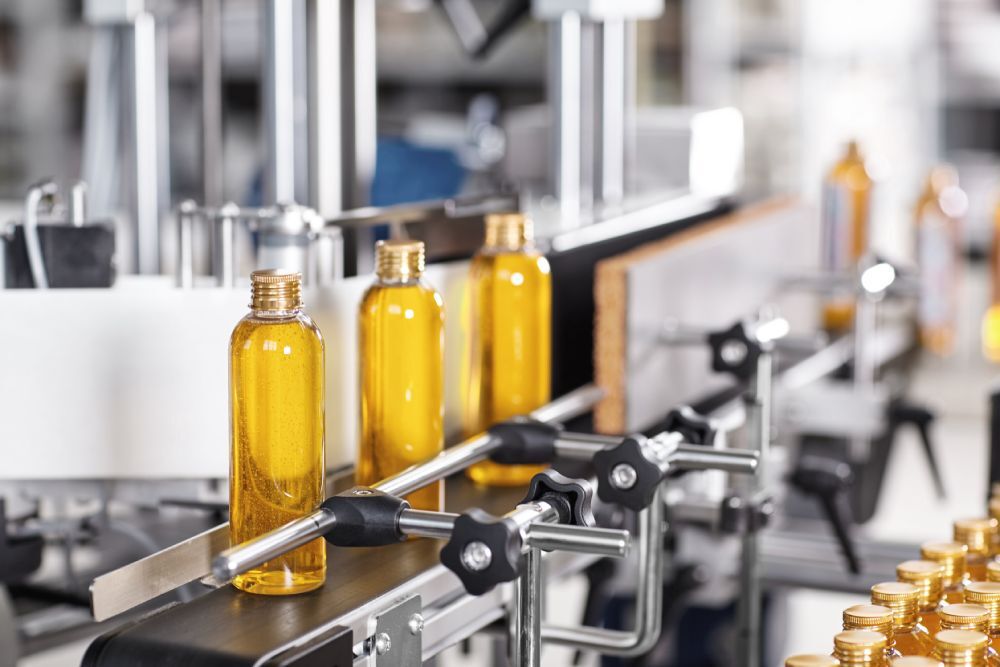
The food and beverage industry continues to evolve. Behind every packaged beverage, ready-to-eat meal, or shelf-stable food product is a complex production process that depends heavily on reliable filling, capping, and packaging equipment. As manufacturers respond to changing demand patterns, investment in modern machinery has become a critical part of scaling production while maintaining accuracy, speed, and hygiene.
Market research consistently shows steady expansion in both regional and global markets for food and beverage filling, capping, and packaging machines. This growth is being fueled by rising packaged food consumption, advances in automation, and broader modernization efforts across manufacturing facilities.
For equipment buyers, understanding where the market is headed provides valuable insight into long-term investment decisions.
North American Food & Beverage Packaging Machinery Market
North America continues to stand out as a mature and steadily expanding market for food and beverage filling, capping, and packaging machinery. Backed by a highly developed processing ecosystem and strong consumer demand for packaged products, the region remains a focal point for equipment investment.
Market data from Grand View Research points to consistent growth driven by production scale, automation adoption, and ongoing upgrades to existing manufacturing infrastructure.
Market Growth Reflects Sustained Demand Across Food & Beverage Manufacturing
The North American food and beverage filling and capping machinery market was valued at approximately USD 1.73 billion in 2022. Forecasts project revenue reaching around USD 2.62 billion by 2030, representing a compound annual growth rate (CAGR) of 5.3%. This steady expansion highlights long-term confidence in packaged food and beverage production across the region.
The United States accounts for the majority of this activity. High purchasing power, population growth in urban centers, and evolving consumption habits continue to support increased output of packaged foods, ready-to-drink beverages, and processed products. As a result, manufacturers are investing in equipment that supports higher throughput without sacrificing consistency or hygiene.
Filling Machines Remain the Largest & Fastest-Growing Equipment Segment
Filling machines represent the largest share of the North American market and continue to post the strongest growth among equipment categories. Their central role in beverage, dairy, sauce, and liquid food production makes them a core investment for manufacturers scaling operations.
Advancements in filling technology have improved accuracy, reduced product waste, and increased line speeds. These benefits make modern filling systems especially attractive for producers handling high volumes or multiple product variations.
Capping Equipment Growth Is Driven by Speed, Reliability, & Packaging Integrity
Capping machines are experiencing steady growth as manufacturers place greater emphasis on packaging security and operational efficiency. Automated capping systems, in particular, are gaining traction due to their ability to operate at higher speeds with minimal manual involvement.
Consistent capping performance supports product safety, shelf stability, and brand presentation. As packaging requirements become more complex, reliable capping equipment plays a larger role in overall line performance.
Automation Dominates Equipment Investment While Semi-Automatic Systems Remain Relevant
Automatic machinery accounts for nearly half of total market revenue in North America, reflecting widespread adoption among large-scale producers and high-output facilities. These systems support continuous operation and consistent performance across extended production runs.
At the same time, semi-automatic equipment continues to serve a significant portion of the market. Mid-sized manufacturers and facilities managing shorter production runs often favor semi-automatic solutions for their flexibility and lower upfront investment.
Volumetric Filling Machines See Rising Adoption Across Multiple Industries
Volumetric filling machines are gaining popularity due to their ease of operation, straightforward cleaning processes, and adaptability to different container sizes. Their versatility has driven adoption not only in food and beverage manufacturing but also in pharmaceutical and cosmetic applications.
This cross-industry demand further supports growth within the North American market, as manufacturers look for equipment capable of serving multiple product lines within a single facility.
Global Food & Beverage Packaging Machinery Market
The global market for food and beverage filling, capping, and packaging machinery continues to expand as packaged food consumption increases worldwide. Growth is being supported by population shifts, changing dietary habits, and rising demand for efficient, scalable production systems.
Forecasts by Market Research Future indicate steady long-term expansion as manufacturers across regions invest in modern packaging infrastructure.
Global Market Growth Reflects Rising Packaged Food Consumption Worldwide
In 2024, the global food and beverage filling and capping machine market was valued at approximately USD 6.25 billion. Projections estimate that the market could exceed USD 10.14 billion by 2035, growing at a CAGR of 4.49%. This growth trajectory highlights the sustained role of packaging machinery in supporting global food supply chains.
As consumers increasingly rely on packaged and ready-to-consume products, manufacturers are scaling production to meet both volume and quality expectations. Filling and capping equipment remains central to this effort.
North America Continues to Lead Global Demand for Filling & Capping Machinery
North America remains the largest regional contributor to global market revenue. Early adoption of automation, strong regulatory frameworks, and high demand for packaged foods have positioned the region as a benchmark for equipment investment. Manufacturers in other regions often follow technology and efficiency trends established in North America, which contributes to broader global adoption of advanced filling and capping systems.
Liquid Filling Equipment Dominates While Solid Filling Systems Gain Momentum
Liquid filling machines account for the largest share of the global market, driven by demand across beverages, dairy products, sauces, and liquid food items. These systems support high-speed production while maintaining accuracy and consistency.
At the same time, solid and particulate filling equipment is experiencing faster growth. Increased consumption of snacks, frozen foods, and ready-to-eat meals has expanded demand for machinery capable of handling varied textures and product forms.
Packaging Machinery Adoption Expands Across Diverse Food & Beverage Applications
The global market is becoming increasingly diversified in terms of application. Filling and capping machinery is now widely used across dairy processing, beverage manufacturing, nutritional products, condiments, and packaged foods. This diversification reflects broader acceptance of automated packaging solutions across the food and beverage industry, as manufacturers seek to standardize processes and improve efficiency across product lines.
Automation & Connected Technologies Shape the Global Competitive Landscape
Manufacturers worldwide are investing in automated and digitally connected equipment to improve throughput and operational visibility. Advanced systems support consistent production, reduce downtime, and provide valuable performance insights that inform operational decisions.
As technology adoption accelerates, connected filling and capping machinery is becoming a defining feature of competitive food and beverage production environments.
Key Drivers Behind Food & Beverage Filling, Capping, & Packaging Machine Market Growth
Behind the steady expansion of the food and beverage filling, capping, and packaging machinery market is a combination of operational, regulatory, and strategic forces. These drivers influence how manufacturers evaluate equipment investments and shape the pace at which production lines are modernized across the industry.
Increased Demand for Packaged Foods
Consumer reliance on packaged and processed foods continues to rise as lifestyles become more convenience-driven. Ready-to-drink beverages, prepared meals, and shelf-stable products now account for a growing share of food consumption across both retail and foodservice channels.
This shift has a direct impact on production requirements. Manufacturers are under pressure to increase output while maintaining consistency across high volumes, which places greater emphasis on reliable, efficient filling and packaging equipment.
Technology & IoT Adoption
Automation and connected technologies are reshaping how filling and capping operations are managed. Internet of Things (IoT)-enabled equipment allows manufacturers to collect real-time performance data, monitor throughput, and identify bottlenecks across production lines.
Beyond visibility, connected systems support predictive maintenance strategies that reduce unplanned downtime and extend equipment life. As operations become more data-driven, technology capabilities increasingly factor into equipment purchasing decisions.
Regulatory & Traceability Pressure
Food safety regulations continue to tighten across regional and global markets, increasing the importance of precision and repeatability on the production floor. Filling accuracy, secure closures, and consistent packaging all contribute to compliance with evolving standards.
Modern filling and capping systems are often selected for their ability to integrate with traceability, inspection, and documentation tools. These capabilities help manufacturers manage audits, reduce recall risk, and protect brand reputation.
Plant Modernization Investment
A significant portion of food and beverage production facilities still rely on aging equipment that limits flexibility and efficiency. Rather than replacing entire plants, many manufacturers are investing in targeted upgrades that modernize specific production lines. Modular and automation-ready systems allow companies to phase improvements over time, align spending with growth, and integrate new equipment into existing layouts without major disruption.
Global Brand Expansion
As food and beverage brands expand into international markets, production requirements become more complex. Different regions introduce new packaging formats, container sizes, and compliance expectations that must be addressed without sacrificing efficiency.
Flexible filling and capping equipment supports this expansion by accommodating multiple stock keeping units (SKUs) and packaging standards on the same line, which reduces the need for extensive reconfiguration.
Sustainability Initiatives
Environmental considerations continue to influence packaging decisions across the industry. Lightweight containers, recyclable materials, and alternative packaging formats are becoming more common as brands respond to sustainability goals. Filling and capping machines must adapt to these materials while maintaining consistent performance. As a result, equipment compatibility has become an increasingly important factor in purchasing decisions.
E-Commerce & Delivery Growth
The expansion of e-commerce and online food delivery has added new demands to packaging operations. Products must withstand transportation while maintaining quality and presentation.
Consistent fill levels, secure closures, and uniform packaging help protect products throughout distribution, reinforcing the role of precise filling and capping equipment in modern supply chains.
What This Growth Means for Food & Beverage Manufacturers
As the market for filling, capping, and packaging machinery continues to grow, food and beverage manufacturers are facing higher expectations around speed, flexibility, and consistency. Production lines must support a wider range of products, packaging formats, and batch sizes while maintaining efficiency and product quality. Equipment that can adapt to these shifting demands is becoming a critical operational asset.
Modern filling and packaging systems also play a growing role in long-term scalability. Automation-ready machinery allows manufacturers to expand capacity over time, integrate new technologies, and respond more quickly to changes in consumer demand. This flexibility helps protect capital investments while supporting sustainable growth.
Choosing the right equipment partner is an increasingly important part of this equation. Manufacturers benefit from working with suppliers that offer proven, reliable machinery, application expertise, and ongoing support. Investing in modern equipment from a trusted provider can help reduce downtime, streamline production, and position operations for continued success in a competitive and evolving market.
Food & Beverage Packaging Machinery Market Growth FAQs
What Is Driving Growth in the Food & Beverage Filling & Capping Machine Market?
Market growth is being fueled by rising demand for packaged and processed foods, increased automation in manufacturing, stricter food safety regulations, and ongoing investment in plant modernization. Global brand expansion and the growth of e-commerce have also increased demand for reliable, scalable packaging solutions.
Why Are Filling Machines the Largest Segment of the Market?
Filling machines play a central role in food and beverage production by controlling product volume, reducing waste, and supporting high-speed output. Their versatility across liquid, semi-liquid, and particulate products makes them a foundational component of most packaging lines.
What Types of Food & Beverage Products Use Filling & Capping Machinery?
These machines are used across a wide range of applications, including beverages, dairy products, sauces, dressings, condiments, nutritional products, ready-to-eat meals, and packaged snacks. Equipment flexibility is increasingly important as manufacturers expand product lines and packaging formats.
How Does Automation Impact Filling & Packaging Operations?
Automation improves production speed, accuracy, and consistency while reducing manual labor requirements. Automated systems also support repeatability across long production runs and help manufacturers manage higher output volumes without sacrificing quality.
What Role Does IoT Technology Play in Modern Packaging Machinery?
IoT-enabled filling and capping equipment provides real-time visibility into machine performance, production output, and maintenance needs. Connected systems allow manufacturers to identify inefficiencies, plan maintenance more effectively, and make data-informed decisions about line optimization.
How Do Regulatory & Traceability Requirements Affect Equipment Selection?
Evolving food safety regulations have increased the importance of precise filling, secure closures, and consistent packaging. Many manufacturers prioritize equipment that supports traceability, inspection integration, and documentation to reduce compliance risk and support audit readiness.
Why Are Manufacturers Investing in Plant Modernization Rather Than New Facilities?
Upgrading existing production lines is often more cost-effective and less disruptive than building new plants. Modern, modular equipment allows manufacturers to improve efficiency, increase capacity, and adapt to changing market demands while using their current facility footprint.
What Should Manufacturers Consider When Selecting a Filling & Packaging Equipment Supplier?
Beyond machine specifications, manufacturers often look for suppliers with application expertise, proven reliability, and long-term support capabilities. Working with an experienced partner can help streamline installation, improve uptime, and support future production growth.
Find Modern Filling, Capping, & Packaging Machines for Your Operation at E-PAK Machinery
The food and beverage filling, capping, and packaging machinery market is on a clear upward trajectory, supported by sustained demand for packaged products, ongoing technological advancement, and continued investment in production modernization. Data from both North America and global markets points to long-term growth, making equipment decisions today especially impactful for future performance.
For food and beverage manufacturers, now is an ideal time to evaluate existing production lines and identify opportunities to improve efficiency, flexibility, and output consistency. Modern filling, capping, and packaging systems can support higher throughput, accommodate evolving packaging formats, and align operations with current regulatory and quality expectations.
Looking to expand or upgrade your food and beverage packaging line? We’re here to help.
E-PAK Machinery is a leader in the product filling industry, and we are proud to offer a wide variety of liquid packaging machines with the latest technological advancements and the most modern tools. Our goal is to provide you with high-quality and durable equipment that meets your unique needs.
Contact us today so our experienced liquid packaging professionals can help you find the perfect equipment for your food and beverage operation.
Recent Posts
- What Is Smart Packaging? A Complete Guide for Manufacturers
- Smart Packaging Market & Trends: The Future of Smart Packaging Technology
- Food Packaging Machine Price Guide: How Much Does a Food Packaging Machine Cost?
- What Are the Different Types of Food Packaging Machines?
- Food & Beverage Filling, Capping, & Packaging Machine Market Growth
