 Loading... Please wait...
Small-Scale Food Packaging Machines: The Best Food Packaging Machines for a Small Business
Posted on 26th Jan 2026
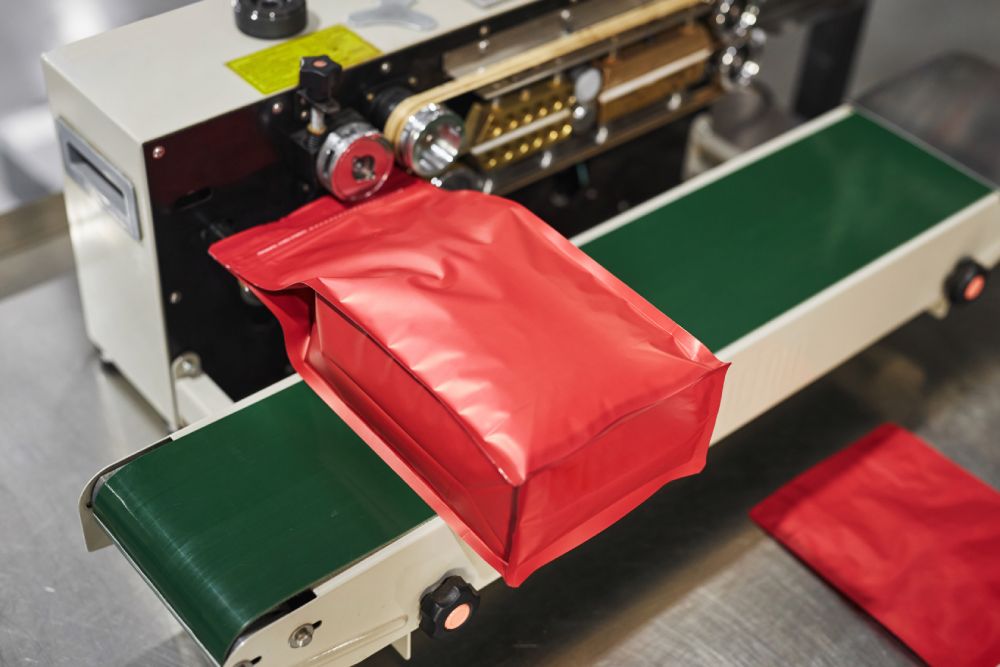
For small businesses in the food industry, packaging is an essential part of branding, safety, and operational efficiency. While many small-scale producers initially rely on manual labor to package their goods, this process often comes with limitations, including slow production speeds, inconsistent quality, human error, and increased risk of contamination.
Investing in food packaging machines can revolutionize your operations, leading to increased productivity, reduced costs, and a more professional product. But with a wide range of machines available, it’s important to understand which ones are best suited for your business.
Why Invest in Food Packaging Machines as a Small Business?
Small businesses are always striving to balance efficiency, quality, and profitability. As production volumes increase, relying on manual packaging becomes increasingly impractical.
Here’s why food packaging machines can make a significant difference to your business’s bottom line.
Increased Efficiency
Food packaging machines streamline labor-intensive tasks and boost overall production capacity. What used to take hours can now be completed in minutes, freeing up your team to focus on other critical areas of your business. Packaging machines can automatically perform repetitive tasks, such as filling, sealing, capping, and labeling, with minimal downtime, which means that you can produce more goods in less time, meet larger orders, and even handle fluctuating demand without the need for additional labor or overtime costs.
Increased efficiency directly impacts your bottom line by improving throughput without compromising quality.
Consistency & Quality Control
One of the most significant challenges of manual packaging is maintaining consistent quality across batches. Food packaging machines eliminate the risk of human error, providing precise output with every cycle. Whether you’re filling jars with a precise amount of product or applying labels with exact positioning, machines offer unmatched precision. This consistency not only enhances the appearance of your products but also meets health and safety regulations.
By maintaining uniformity in your packaging, you help build customer trust and improve the overall perception of your brand. Over time, it contributes to customer loyalty and repeat business.
Scalability
As a small business grows, so does its production capacity. What was once a manageable task can quickly become overwhelming.
Packaging machines are built to scale with your business, allowing you to meet increased demand without sacrificing quality. Many machines offer flexibility in terms of production speed and container size, enabling them to accommodate changes in your product lineup or business growth.
Investing in machines that can be easily upgraded or adjusted to handle larger volumes will help you stay ahead of demand. Such scalability is critical for businesses looking to expand their operations without having to completely overhaul their production setup.
Improved Hygiene & Compliance
The food industry is highly regulated, and maintaining strict hygiene standards is essential to maintaining product safety. Packaging machines are designed with food safety in mind, featuring easy-to-clean surfaces, sealed compartments, and materials that meet industry standards.
By reducing human contact with the product during the packaging process, machines help prevent contamination, which is vital for meeting health regulations. Many packaging machines also incorporate automated sanitation features, such as self-cleaning functions, which make the maintenance process easier and more effective.
Types of Small-Scale Food Packaging Machines to Consider
When it comes to food packaging, there’s no one-size-fits-all solution. The right equipment for your business depends on the type of product you're packaging, the scale of your operation, and your specific needs.
Here are some key machines to consider.
Washing & Cleaning Machines
Before packaging, cleanliness is critical to confirming that your product is free from contaminants.
Washing and cleaning machines are designed to thoroughly clean containers before they are filled with products. These machines typically use high-pressure water jets, air blowers, or brushes to remove dirt, dust, and debris. For businesses that deal with glass or plastic bottles, automated washing machines provide an efficient way to clean multiple containers simultaneously. Some models even incorporate sanitation solutions or UV sterilization to make sure that containers are not only clean but also hygienically safe for use.
By automating the washing process, businesses can maintain higher standards of hygiene while significantly reducing the labor needed to manually clean containers.
Liquid Filling Machines
Liquid filling machines are designed to handle beverages, sauces, soups, oils, and other liquid products. These machines are highly precise, making sure that every container is filled to the correct level without overfilling or underfilling.
There are several types of liquid fillers, including gravity fillers, piston fillers, and pump fillers, each suited for different viscosity levels and product types. For instance, gravity fillers are ideal for thin liquids like water, while piston fillers can handle thicker liquids such as sauces and creams. Additionally, liquid filling machines can accommodate various container sizes and types, from bottles and jars to pouches and cartons, making them versatile for small businesses with diverse product offerings.
The automation of the filling process reduces the likelihood of spills, product waste, and contamination, which results in more efficient operations and improved product consistency.
Capping Machines
After liquids are filled, capping machines seal containers with a secure lid to prevent spillage and contamination. These machines can handle a wide variety of cap types, such as screw caps, snap-on lids, and push-on caps, making them suitable for a broad range of products.
Capping machines can also apply caps at different speeds, confirming that the process aligns with the overall production line’s pace. High-speed capping machines reduce the risk of human error, such as crooked or improperly sealed caps, which can lead to product leakage or compromised freshness.
Moreover, automated capping systems are equipped with sensors that check for cap tightness, preventing improperly sealed products from reaching customers. This consistency in capping is especially important in industries like bottled beverages or pharmaceuticals, where product integrity is a priority.
Labeling Machines
Labeling is an essential part of the food packaging process, as labels provide critical information about the product, including branding, ingredients, nutritional facts, and compliance with food safety regulations. Labeling machines apply labels to bottles, jars, pouches, and other containers with precision and speed.
There are different types of labeling machines, including wrap-around, front-and-back, and top labeling systems, depending on the shape and size of the container. These machines can be adjusted to accommodate different label sizes and container types, achieving a perfect fit every time.
In addition to improving efficiency, automated labeling machines also reduce the chances of human error, such as misalignment or incorrect labeling, making it easier to comply with regulatory standards while presenting a professional image.
Wrapping Machines
Wrapping machines are commonly used for packaging snacks, baked goods, and other small food items that need individual wrapping for protection and presentation. These machines wrap products in a protective film, such as plastic or foil, and can perform tasks like heat sealing, which makes sure that the wrapping stays in place.
Automated wrapping machines can wrap products at a much faster rate than manual labor, making them ideal for businesses with high production volumes. These machines can also be programmed to handle different product sizes and packaging materials, giving businesses the flexibility to adapt to changing market demands.
Beyond speed and efficiency, wrapping machines also help present products in an attractive way, enhancing their visual appeal and helping to maintain freshness.
Case Erecting & Packaging Machines
Case erectors and packaging machines automate the process of forming boxes, filling them with products, and sealing them for shipment. These machines are helpful for businesses that need to package large quantities of goods for bulk shipping.
A case erector automatically forms boxes from flat cardboard sheets, while a packaging machine fills these boxes with packaged products, often using conveyors for smooth product movement. This process eliminates the need for manual labor to assemble boxes, reducing packaging time and minimizing the risk of errors.
The use of case erectors and packaging machines makes sure that products are securely packed, which is critical for preventing damage during transportation. These machines are particularly beneficial for businesses that need to prepare products for large-scale distribution or retail.
Conveyor Systems
Conveyor systems are integral to modern food packaging lines, as they help move products efficiently from one stage to the next. These systems can be designed to transport products horizontally, vertically, or even around curves, making sure that the production line operates smoothly and with minimal manual intervention.
Conveyor systems not only reduce the need for workers to move products manually but also improve the flow of materials, allowing for higher throughput and faster production. Additionally, conveyor systems can be integrated with other packaging equipment, such as filling, capping, and labeling machines, making sure that products move seamlessly between different processes. This integration leads to better coordination, higher production speed, and a more streamlined operation.
7 Key Features to Look for in Food Packaging Machines
Choosing the right packaging machine is a significant investment, and it’s important to consider the features that will best meet your business needs. Start by focusing on the following key attributes.
1. Ease of Use
Packaging machines should be simple to operate and require minimal training for your team. Look for machines with intuitive interfaces, clear labeling, and easy-to-understand controls. Many modern machines also feature touch-screen displays, allowing operators to quickly adjust settings, monitor production rates, and troubleshoot issues. A user-friendly machine minimizes downtime and reduces the likelihood of operational errors.
Additionally, consider how easy it is to perform routine maintenance tasks, such as cleaning and changing parts. Machines that are easy to operate boost productivity, improve worker satisfaction, and reduce training costs.
2. Scalability
As your business expands, so will your production needs. Scalability is especially important for small businesses that are in the early stages of growth but want to avoid the hassle and cost of replacing machinery as they expand.
Choose machines that can scale with your growth and adapt to changes in product volume or production speed. Scalable machines can be upgraded or reconfigured to handle new products, larger packaging sizes, or higher production speeds. Some machines also offer modular designs, which allow you to add extra features or components as your business needs evolve.
3. Space & Energy Requirements
Small businesses often operate in compact spaces, so choose packaging machines that can fit into your existing setup. Look for machines with a small footprint that can be easily integrated into your production line.
Consider the energy requirements of each machine as well. Energy-efficient machines will help lower operational costs over time, so they’re a smart long-term investment. Some manufacturers also offer machines with eco-friendly features, such as energy-saving motors or reduced power consumption during idle times.
By choosing machines that are compact and energy-efficient, you can keep your operating costs low while maintaining high productivity.
4. Sanitary Design
Hygiene is a top priority in food packaging, and machines should be designed with this requirement in mind.
Look for packaging machines with smooth, stainless steel surfaces that are easy to clean and resistant to corrosion. Many machines are also equipped with self-cleaning features, such as automatic rinsing or sanitizing systems, which help keep the machines compliant with food safety regulations. Machines with sealed components and hygienic seals can also prevent contamination from external sources, ensuring that your products remain safe and compliant with regulatory standards.
A well-designed machine that prioritizes sanitation will help you maintain high standards of cleanliness and food safety throughout your operation.
5. Versatility
The best packaging machines are versatile and can handle multiple packaging types, sizes, and materials. Versatility helps small businesses respond to market demands quickly and efficiently, without the need for significant new investments in equipment.
A versatile machine allows you to diversify your product line without having to purchase additional equipment. For example, a filling machine that can handle both liquid and semi-solid products offers greater flexibility for businesses that plan to expand their product offerings. Additionally, machines with adjustable settings can accommodate different container shapes, including bottles, pouches, and jars.
6. Reliability
Reliability is crucial when selecting packaging equipment. Machines that experience frequent breakdowns or require constant maintenance will slow down production and create unnecessary delays. Choose machines from reputable manufacturers known for their quality and longevity.
It’s also important to assess the availability of spare parts and the ease of repair when needed. Machines that are built with high-quality materials and have a track record of consistent performance will reduce downtime, improve productivity, and ultimately save money in the long term.
7. Support & Service
After purchasing a packaging machine, access to ongoing support is a benefit that will help keep operations running smoothly. Having access to reliable support can make a significant difference in keeping your production line running without interruptions.
Look for manufacturers that offer excellent customer service, including technical support, troubleshooting, and training. Many manufacturers provide warranties and after-sales services that can help you resolve issues quickly without costly downtime.
Be sure to check the availability of service technicians and the ease with which you can access replacement parts.
Small Business Food Packaging Machines FAQs
What Are the Benefits of Using Food Packaging Machines for Small Businesses?
Food packaging machines help small businesses increase efficiency, consistency, and hygiene. They streamline repetitive tasks such as filling, capping, labeling, and wrapping, reducing labor costs and minimizing errors. Additionally, these machines help meet regulatory standards for food safety and provide scalability as your business grows.
Which Type of Food Packaging Machine Is Best for Small Businesses?
The best type of food packaging machine depends on the products you’re packaging. Liquid filling machines are ideal for beverages and sauces, while capping machines are helpful for sealing bottles and jars. Labeling machines are a must for displaying accurate product information, and wrapping machines are great for snacks and baked goods. Choose machines that match your production needs and product types.
How Do Food Packaging Machines Improve Product Quality?
Packaging machines improve product quality by providing precise, consistent results every time. For example, liquid filling machines ensure that every container is filled to the exact level, while capping machines apply lids securely to prevent leaks. These machines reduce human error and make sure that each package meets the same high standards.
What Should I Consider When Choosing a Food Packaging Machine for My Business?
When selecting a food packaging machine, consider factors such as ease of use, scalability, space requirements, and energy efficiency. The machine should be easy for your team to operate, have the flexibility to grow with your business, and fit within your existing production space. Additionally, look for machines that are easy to clean and maintain to maintain compliance with hygiene standards.
Are Food Packaging Machines Easy to Maintain?
Most food packaging machines are designed to be low maintenance, with easy-to-clean surfaces and accessible parts for quick repairs. Many machines also come with automated self-cleaning features, so the maintenance process is even easier. Always follow the manufacturer’s maintenance guidelines to prolong the machine’s lifespan and maintain smooth operation.
Can Food Packaging Machines Handle Multiple Product Types?
Yes, many food packaging machines are versatile and can handle a range of products, from liquids to solids. For example, filling machines can be adjusted to handle various viscosities, while wrapping machines can be customized to wrap different sizes and shapes of products. Look for machines with adjustable settings or modular designs if you plan to offer a variety of products.
How Do I Know Which Food Packaging Machine Is Right for My Small Business?
The right machine for your business depends on the specific products you manufacture, the volume of production, and your future growth plans. Consider what tasks you need the machine to perform (filling, sealing, labeling, wrapping, etc.) and how much space you have for installation. It’s also important to choose equipment that aligns with your production goals and budget.
Contact E-PAK Machinery to Find the Best Food Packaging Machines for Small Businesses
Food packaging machines are a worthwhile investment for small businesses aiming to improve production speed, consistency, and hygiene. By choosing the right machines for your needs, you can boost efficiency, reduce labor costs, and scale your operations without sacrificing quality. Whether you need a liquid filling machine, a capping machine, or a complete packaging line, the right equipment can transform your production process.
Ready to elevate your food packaging process? We’re here to help.
At E-PAK Machinery, we’re a leader in the product filling industry, and we are proud to offer a wide variety of packaging machines with the latest technological advancements and the most modern tools. Our goal is to provide you with high-quality and durable equipment that meets the unique packaging needs of your operation.
Contact us today so we can help you find the perfect packaging solution for your small business.
Recent Posts
- What Is Smart Packaging? A Complete Guide for Manufacturers
- Smart Packaging Market & Trends: The Future of Smart Packaging Technology
- Food Packaging Machine Price Guide: How Much Does a Food Packaging Machine Cost?
- What Are the Different Types of Food Packaging Machines?
- Food & Beverage Filling, Capping, & Packaging Machine Market Growth
